Spend any time on an Australian construction website and 2 invisible threats follow you all over: hazardous substances and electricity. You do not constantly see them, scent them, or hear them, yet they are just as capable of ending a job as a loss from height or a breaking down trench.
That is why the national building and construction induction, CPCWHS1001 Prepare to function safely in the building industry, maintains returning to these two themes. Whether you are sitting in a white card course in Adelaide, Darwin, Hobart or Perth, the fundamentals coincide. Before any person hands you a labourer white card or a carpenters white card, you have to show you comprehend just how harmful materials and electric systems can harm you, and what risk-free job resembles in practice.
I have actually enjoyed brand-new apprentices, designers, shipment drivers and movie staff stroll right into basic building and construction induction training assuming the risks are everything about ladders and PPE. They come out surprised at how much time we invest in dust, chemicals, and short-lived power. There is a reason. The long-term damages from compounds, and the abrupt shock or fire from electrical mistakes, are two of the most usual strings going through serious occurrences on building and civil sites.
This write-up walks through exactly how those subjects suit white card training and, much more notably, what they appear like on genuine work, from domestic renovations to mining and framework work.
Where dangerous compounds and power sit in White Card training
The CPCWHS1001 course is the national system of proficiency that underpins the Australian white card. Different states and territories plan it slightly in different ways, and the card itself looks a bit various in NSW, Queensland, Victoria or South Australia, however the material remains lined up to that a person unit.
Hazardous materials and electric security show up throughout a number of components of the training, not simply in a solitary component. When you sit a white card course in Adelaide, Hobart or Darwin, you will see them in:
- discussions around usual building hazards examples of construction emergency treatments risk analysis tasks utilizing the pecking order of control case researches of real events entailing dirt, chemicals and power tools
Trainers will normally link these topics to your future trade or function. Electrical experts, plumbing technicians, woodworkers, painters, plant operators, surveyors and task managers all run into the same underlying threats, but from slightly different angles. Whether you are brand-new to construction, coming from a real estate or distribution chauffeur background, or stepping into a construction instruction, the core assumptions are shared.
An excellent white card course, whether business white card training for a huge labor force or a little team white card session for apprentices, need to stay clear of dry theory. It should place you in scenarios: exploration into a wall with unknown services, cutting concrete in a light wind, scooping dust building and construction sites left after a trial job. That is where hazardous substances and electric safety become real.
Hazardous substances on Australian construction sites
When we talk about hazardous materials building and construction workers fulfill, people frequently think about drums of chemicals aligned in a plant area. In truth, the most unsafe substances are commonly the adelaide white card classes ones developed into the materials and procedures we deal with as everyday.
On normal building and civil sites you are most likely to experience:
Concrete and stonework dust. Reducing, grinding or chasing after concrete, bricks, pavers and fibre cement releases great dust that consists of silica. Silica dirt building sites are currently one of the biggest long term health and wellness worries in the sector. Dry reducing without controls can develop levels of respirable crystalline silica that surpass risk-free restrictions within minutes.
Asbestos in older buildings. Numerous pre‑1990 structures have asbestos in eaves, wall cellular linings, pipes, plastic ceramic tiles, roof and switchboards. On asbestos building websites the key rule is straightforward: if you presume asbestos, stop and have it examined. Boring or knocking down asbestos without controls can create irreversible lung condition decades later. It does not hurt today, that makes it extra perilous than a twisted ankle joint or cut finger.
Solvents, adhesives and paints. From waterproofing membrane layers to hardwood coatings and spray paints, many items contain unstable natural compounds. Utilized in poorly ventilated areas, they can aggravate the breathing system, affect the central nerves and, in severe cases, create explosion dangers if vapours fulfill an ignition source.
Acids, alkalis and cleansing agents. Brick cleansers, engraving representatives, concrete removers and industrial cleaners can cause burns and eye damage on call. I have actually seen new labourers handle "simply a cleaner" with bare hands on a warm day and wind up in the first aid space with blistered skin.
Fuels and oils. Diesel, gas and hydraulic oils might seem much less unique, but they bring fire and ecological risks. A dripping fuel transfer on a limited suv website can promptly turn into a slip threat, a fire danger and a neighbourhood complaint if not managed.
White card training does not intend to make you a drug store. Its job is to educate you just how to acknowledge when something is possibly unsafe, how to locate and review the info that matters, and exactly how to act sensibly if something spills, dashes or comes to be airborne.
Safety data sheets, labels and genuine decisions
During CPCCWHS1001 training you will certainly almost certainly work through examples of security data sheets (SDS) and labels. The objective is not to memorise every hazard symbol, but to learn where to look when you initially satisfy a new product.
On an online site, the practice I pierce right into brand-new employees is easy: before you open a container or load a spray weapon with a product you have actually not utilized prior to, discover its SDS and check 4 essential things in simple language.
First, what does it do to you. Eye damages, skin burns, breathing sensitisation or cancer cells threat all demand different levels of care. Second, what manages the supplier expects. This might consist of needed PPE, minimal air flow, or whether a product can be sprayed or only cleaned. Third, what to do if something fails. You desire those emergency treatment directions in your head before something enters your eye, not after. Fourth, just how to keep and deal with it. Some items can not be kept in the sun or combined with various other chemicals; some end up being a lot more harmful if they dry out in a container.
Construction site signs support this. On far better run work, you will see clear signage around areas where hazardous materials are saved or used: marked blending locations, combustible liquid shops, asbestos elimination zones. During white card training we highlight these signs and link them to the rules that sit behind them.
Silica and asbestos: slow shed, permanent damage
Among all hazardous materials on construction websites, two should have special attention: silica dust and asbestos. I spend more time on these in white card training than on nearly any kind of various other material topic, due to the fact that the wellness outcomes are both extreme and irreversible.
Silica is baked right into the products we love: concrete, blocks, tiles, crafted rock. When reduced or ground, it launches fine respirable fragments that lodge in the lungs. Gradually, heavy direct exposure can trigger silicosis and contribute to lung cancer. Notably, this is a collective danger. Eventually of inadequate practice will not normally put you in hospital, yet twenty years of completely dry cutting without controls is a various story.
Asbestos is also quieter. Many tradespeople that worked on asbestos building and construction sites in the 1970s and 1980s are just currently really feeling the impacts. Mesothelioma, a cancer cells highly linked to asbestos, can take years to emerge. That is why regulators in every state deal with any kind of presumed asbestos work as a major issue.
During a white card course in Hobart or Perth you will not be licensed to remove asbestos, but you need to reveal that you can identify the danger and follow treatment. That means quiting working if you presume an asbestos having material, educating your manager promptly, and respecting exclusion zones when established. The exact same logic applies to silica: if your supervisor instructs you to damp cut, utilize on‑tool removal and wear a P2 mask, that is not optional.
Practical controls: more than "simply use PPE"
One of the traps in basic WHS interaction building employees listen to is the overuse of personal safety equipment as a catch all option. White card training emphasises the hierarchy of control since PPE sits at the bottom for a reason.
For hazardous materials, greater level controls consist of removing specific products, substituting more secure formulations, separating dusty tasks, and making use of design controls like on‑tool extraction or local exhaust ventilation. Administrative controls then cover training, clear treatments and work sequencing that decreases exposure time.
PPE continues to be part of the photo, specifically on hectic sites where not everything can be engineered away. Common examples consist of P2 respirators for dirt and silica, chemical immune gloves, dash safety glasses when dealing with acids, and disposable coveralls in asbestos removal zones.
The essential message in CPCWHS1001 is this: PPE just functions if it fits, if it fits the risk, and if you really use it when the exposure takes place. A respirator pulled down around your neck while you "quickly" cut a slab does nothing for your lungs.
Electrical safety and security: why short-term power is not to be trusted
If unsafe materials are the slow burn threat, power is the fast strike. On Australian websites, electric safety building rules are driven by one basic fact: short-term power systems get abused.
Leads are dragged with puddles, crushed under scaffolds and hidden in dust and rubble. Short-lived switchboards are exposed to weather and constant reconfiguration. Portable tools transform hands throughout the day. That is why we treat all building power with suspicion, even if a licensed electrician mounted it the previous week.
During CPCWHS1001 training, we break electrical risks into a couple of common patterns.
Contact with real-time components. This can be a harmed expansion lead, a missing out on https://jsbin.com/qinosuxeze cover plate on a short-term board, or a badly isolated item of plant. The employee could not even understand the part is online until they touch it or a tool bridges the gap.

Striking below ground or overhanging solutions. Excavators striking buried wires, scaffolds calling above lines, and cranes breaching exclusion zones are timeless high consequence occasions. On civil websites and larger structure tasks, proper solution situating and allow systems are critical.
Faulty mobile equipment. Handheld tools, welders, lighting and pumps take a beating on building work. If examination and tag programs slide, or employees maintain "just another use" out of a suspect tool, mistakes can go undetected.
Improvised arrangements. I still see multi boards daisy chained off each various other, power factors overwhelmed, and non‑construction ranked leads strung throughout damp ground. These are exactly the situations the white card is attempting to educate out of the culture.
Ground https://rivervdti099.image-perth.org/is-a-white-card-program-in-hobart-different-from-various-other-states mistake protection, generally with residual present gadgets (RCDs), provides an important layer of support. Yet the routine of regular monitoring rests with every worker, not just the sparkies.
Here is a short pre usage check that I encourage individuals to draw from the class to site:
- Inspect the lead and plug for cuts, squashed sections, subjected cables or tape repair work. Confirm the examination and tag is in date and legible. Check the RCD test switch before starting job, where practicable. Keep links out of puddles, slurry and locations where lorries travel. If something prickles, trips repetitively or scents hot, eliminate it from service and report it.
Those five actions alone would certainly remove a big chunk of the electrical cases I have actually explored over the years.
Lockout, isolation and regard for certified work
Another core message in white card training is scope. Not everybody with a building induction card is permitted to execute electric work. Licences and allows exist for a reason.
For example, a project manager, woodworker, or labourer with a construction white card should never determine to open up a switchboard, re terminate a cable or bridge a safety and security device. Electric operate in Australia is securely regulated. Just certified electrical experts may do it, under the relevant building and construction licences Australia wide.
What you are expected to do, despite your role, is respect seclusion treatments and do your component to maintain others safe. That consists of:
Recognising lockout tags and risk tags, and understanding that you need to not energise devices that another person has actually isolated. Interacting prior to you begin work where there is any kind of possibility of call with online services, such as exploration, saw cutting or excavation. Complying with assigned safe method ranges to overhead lines and respecting spotters and barricades. Coverage any damage to electric equipment immediately, even if it seems minor.
On some sites, specifically in mining or big facilities, these assumptions are formalised in authorization to function systems. White card training will not turn you into a permit policeman, however it will prepare you to run within these controls without reducing corners.
When dangerous compounds and electrical security collide
One factor CPCWHS1001 treats harmful materials and electrical safety as core material is that they frequently overlap. That junction is where lots of major fires and surges begin.
Think of a painter using combustible solvent based items in an encased space, after that connecting in a portable halogen light or warm weapon. Or an employee decanting fuel near a momentary switchboard. Or grinding near a drum of adhesive that vents flammable vapours. Add a little heat, a roaming spark or an unprotected warm surface and you have an ignition source.
The controls right here are not made complex, but they do call for planning: separate ignition resources from flammable vapours, ensure air flow, store fuels properly, and use fundamentally safe equipment where called for. During white card programs, instructors frequently utilize case studies of fires that began from such mixes to drive the point home.
How these subjects appear in White Card assessment
Many people ask "Is the white card course hard?" The solution is generally no, supplied you take note and take part. White card analysis does not need technological computations; it checks that you can use standard safety concepts in sensible situations.
Hazardous substances concerns might ask you to recognize the appropriate PPE for a task, select the ideal reaction to a chemical sprinkle, or analyze a simple SDS extract. Electrical safety concerns might cover what to do if devices trips repetitively, or how to respond if somebody gets an electrical shock.
Some course providers hand out method white card examinations or white card questions and responses PDFs. Utilize them to acquaint yourself with the style of question, not to memorise responses. Each situation depends upon context. As an example, the right move after a spill of a light cleaner varies from a release of focused acid. The same chooses electric occasions: the concern when you see smoke from a device is different from when a co worker is stayed with a live conductor.
For CPCCWHS1001 white card analyses, fitness instructors also check out your involvement in discussions and team activities. In in person sessions in Adelaide, Darwin, Morphett Vale, Salisbury or Hobart, that can include showing exactly how to put on a respirator, explaining your thinking throughout a risk assessment, or translating construction website signs correctly.
Online versus face to face: can you discover this from a screen?
The inquiry "Can I do white card online?" Turns up in nearly every info session. The answer depends on the state or territory.
Some jurisdictions, such as Queensland and Western Australia, enable on the internet white card training with accepted carriers, while others, consisting of New South Wales and Victoria, call for one-on-one distribution or live digital class with strict identity checks. North Region and South Australia permit a mix of alternatives, but still impose standards on white card training Darwin or Adelaide based suppliers need to meet.
The reason regulatory authorities often press back on totally online delivery is experience. Dangerous substances and electrical safety gain from hands on presentations and discussion. It is something to read about a damaged lead or a badly suitable respirator; it is another to hold one, see it, and be remedied by an experienced trainer when you miss something.
Whatever setting you pick, search for a white card course Australia large that does more than read slides at you. Excellent fitness instructors will certainly share genuine occurrences from neighborhood websites in Port Adelaide, Brisbane, Sydney, Canberra or the Gold Shore, and ask you to think out loud about your decisions. That is where the learning sinks in.
From card in your pocket to habits on site
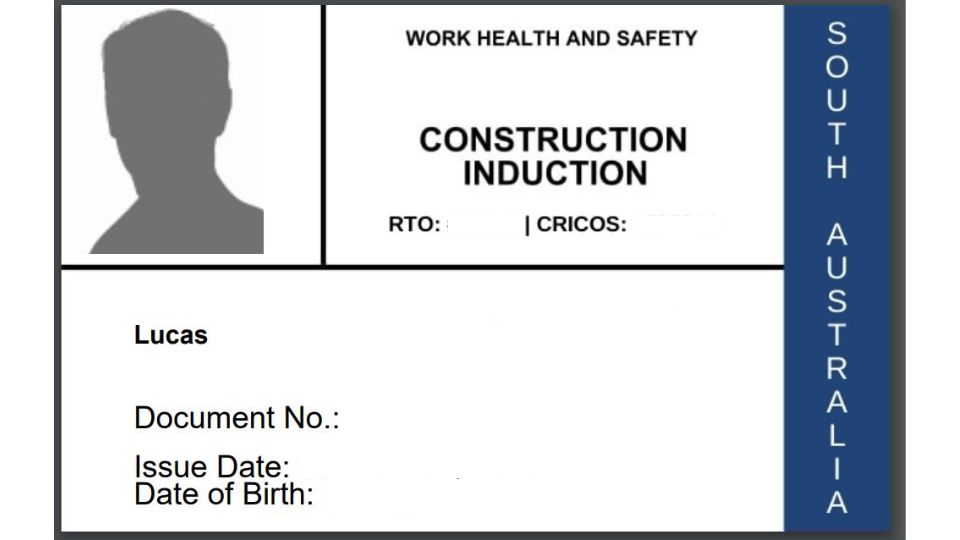
Once you have completed the CPCWHS1001 training course and received your building and construction induction card, whether it is a SA white card, NT white card, VIC white card, WA white card or NSW white card, the actual test starts. Lugging the card fulfills the standard company need for building work white card smart, but it does not maintain you secure on its own.
The practices that matter for unsafe compounds and electric safety are often little and repetitive. Some instances from actual sites:
An initial year apprentice brickie in Adelaide who rejected to make use of a completely dry grinder on pavers after remembering the device's area on silica. He requested for a wet reducing setup and a vac. It slowed down the job by half an hour, but the crew leader backed him due to the fact that he understood the governing heat around silica exposures.
A delivery motorist white card holder that reversed and reported a leaking drum of unidentified fluid on the back of his vehicle instead of trying to re pile it himself. That easy decision stayed clear of a skin get in touch with and permitted the website to utilize the SDS and spill package properly.
A painter on a Hobart white card course who later discovered blistered insulation on an expansion lead encountering a wet piece. Instead of tape it and keep going, he tagged it out and called the website electrical contractor. That lead ended up to have internal conductor damage.
None of those actions were heroic. They were silent applications of the same principles educated in every respectable white card course near you throughout Australia: recognise the threat, assess the danger, apply controls, and communicate.
What managers and services can reinforce
If you are a manager, job supervisor, or company owner, white card training is your starting point, not your goal. New employees get here on site with a basic understanding of unsafe materials and electrical safety and security. Your systems either strengthen that understanding or wear down it.
You can sustain the ideal behaviours by making sure SDS folders or digital gain access to are existing and very easy to locate, keeping your test and tag and RCD upkeep programs disciplined, buying the appropriate dust controls and removal for high threat tasks, and backing workers who stop briefly to increase safety concerns, even when the schedule is tight.
Many business organise group white card training courses or company white card training so that teams share the exact same baseline understanding. The very best go even more and run normal tool kit talks on details subjects like silica, asbestos, and short-term power. They share their own occurrence knowings instead of waiting on an inspector to trigger change.
Over time, that pays off not simply in less injuries and health problems, however in smoother tasks. Teams who plan for dangers upfront typically prevent the closed downs, investigations and rework that follow avoidable incidents.
Bringing it with each other on actual sites
Hazardous materials and electrical safety are not abstract topics reserved for classroom conversation. They belong to day-to-day decisions on any building and construction work, from a small property renovation in suburban Adelaide to a multi billion dollar civil project in the North Territory.
The Australian white card, anchored in CPCWHS1001 Prepare to function safely in the construction market, exists to make those choices a lot more notified. It can not forecast every scenario, but it can provide employees a mental framework: regard the compounds that can harm your lungs and skin, treat all electric systems as potentially dangerous, and never ever be timid regarding asking questions before you reduced, drill, put, mix or plug something in.
If you carry that way of thinking from your white card training onto site, then hazardous materials and electricity come to be workable risks as opposed to constant hazards. The distinction usually depends on one tiny selection made at the correct time, by someone that took note throughout that very first day of training.